
Parents still have a powerful influence on their teen’s choices and behavior.
While teens may seem to pull away as they seek more independence, they still need guidance, support, and connection from their parents. Maintaining a strong relationship during the teen years lowers the risk of unhealthy behaviors, and it plays an important role in preventing nicotine, alcohol, and other drug use.
Why this matters:
SAMHSA’s 2024 National Survey on Drug Use and Health (NSDUH) indicated that, among people aged 12 years or older, 58.3% reported using tobacco products, vaping nicotine, using alcohol, or using an illicit drug in the past month…1

Substance use disorders (addiction) often begin during the teen years, making early conversations and prevention education especially important.
Millions of teens today are vaping nicotine, experimenting with alcohol and drugs, and encountering dangerously powerful substances like fentanyl — often without understanding how serious the risks can be. Because the brain continues developing into the mid-20s, teens are especially vulnerable to addiction, poor decision-making, and lasting impacts on their health and future. 2
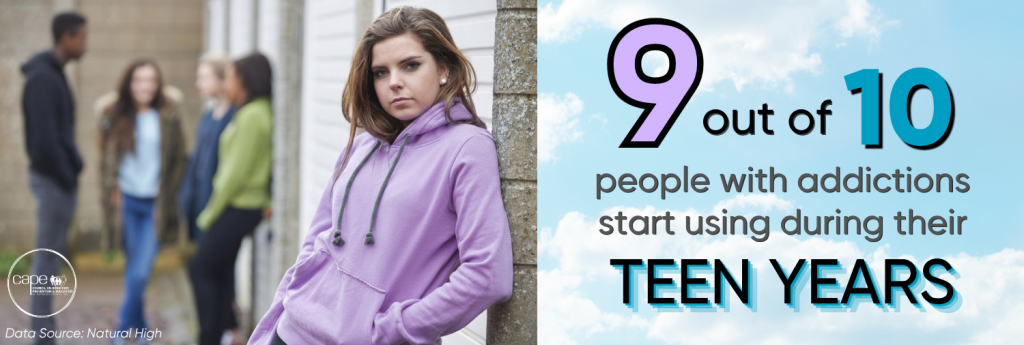
Teen substance use can affect nearly every area of a young person’s life, including school performance, relationships, physical health, and mental well-being. It is also linked to serious risks such as impaired decision-making, involvement with the justice system, injury, violence, and suicide.3
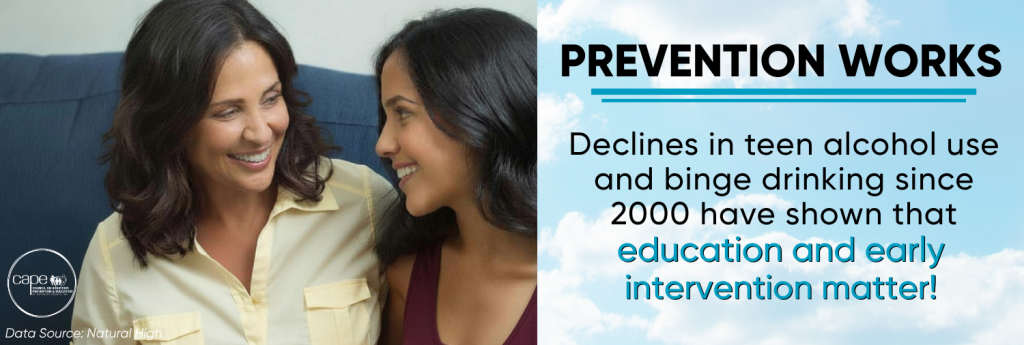
Delaying the first use of drugs and alcohol can make a big difference.
Talk openly and honestly with your child about alcohol and drugs. Early guidance, strong family connections, and ongoing communication help reduce risk and support healthier choices.
Where to start:

Stay involved in your teen’s life—both online and offline. Teens may want more independence, but they still need guidance, boundaries, education, and support from parents who stay connected and engaged. Research has shown that when teens receive clear and consistent messaging about the danger of using substances from the adults in their lives, they are much less likely to engage in risky behavior.4
1. It’s important to get informed and stay informed.
Several reputable organizations keep regularly updated information about today’s substances and current trends in substance use. The DEA (Drug Enforcement Administration) offers an online library for parents, educators, caregivers, and community members that provides detailed information about commonly used substances and paraphernalia. It includes images to help identify these substances and how to spot possible signs of use.5
The drug landscape is constantly changing, and there are always new threats emerging. It’s important to stay informed about trends and new products from reputable sources. If you’re looking for a refresher, below is a detailed video from the Partnership to End Addiction reviewing major trends for 2026.
2. Talk to them and show interest in their life.
Having regular conversations about nicotine, alcohol, and other drugs matters. Teens say parents are one of the biggest influences on their decisions, so honest communication helps them make safer choices.6 Create opportunities to talk openly during life’s everyday moments (before bed, on walks, during car rides to or from school/extracurriculars, or before/after/during daily meals).
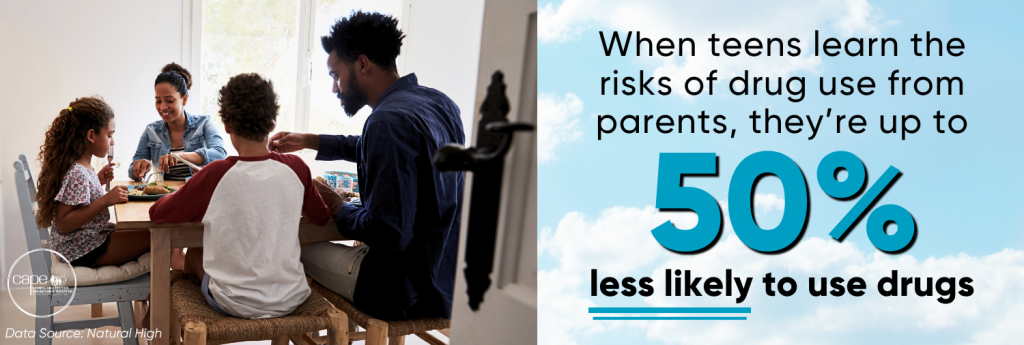
Showing interest in your teen’s friends, activities, school life, and online behavior helps them feel supported and cared for — not controlled. Remind them that your involvement comes from love, concern, and a desire to keep them safe and healthy. If you need tips and examples of how to communicate this way, we can help.
3. Have empathy and be open-minded with your teens.
Approach conversations with your teen calmly and without judgment. Keeping an open mind and asking thoughtful, open-ended questions (not “yes” or “no” questions) can encourage more honest and meaningful discussions.
Practice active listening by giving your teen your full attention, listening without interrupting, and reflecting what you hear back to them, so that they feel understood. Using “I” statements to explain how a behavior makes you feel and what you need from them communicates your concerns without blame or criticism.7
Most importantly, lead with empathy and support. Let your child know that you understand how challenging being a teen can be, and remind them they can come to you for guidance, support, and transparency. Check out the video below from Partnership to End Addiction to hear from professionals and parents as they address FAQs and give tips for talking about this topic with your teen.
4. Know when to seek assistance.
There are many resources available for parents and guardians preparing to have these important conversations with their teens. SAMHSA has a campaign called Talk They Hear You, which provides PSAs, messaging tips, factsheets, and more.8 You can use the buttons below to view/download their materials on each of these topics.






SAMHSA also has a mobile app with all the tools and info to help you have ongoing, fact-based conversations with your kids about drugs and alcohol. Watch this quick video to learn more.
What to do if you think your teen might already be using:
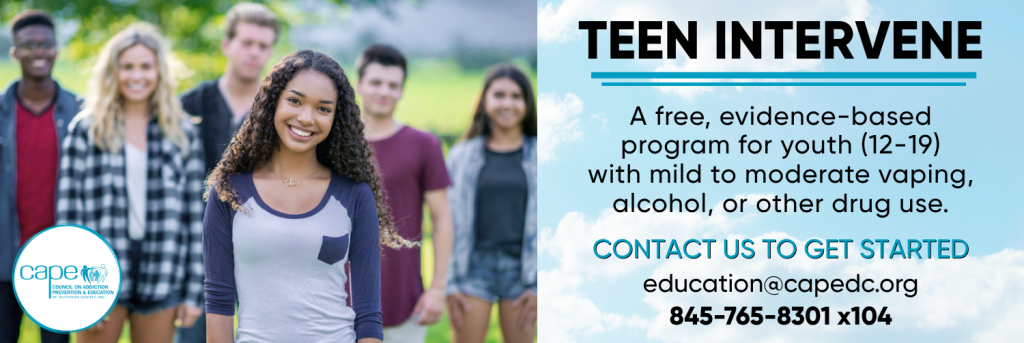
For teens exhibiting mild to moderate problems associated with vaping, alcohol, tobacco, and other drugs, our TEEN INTERVENE program can help! Our trained staff use motivational interviewing techniques to improve communication, develop coping skills, and educate students about the harmful effects of substance use on health. This is a grant-funded program that consists of three 1-hour sessions, approximately 7-10 days apart. Call 845-765-8301 x104 for more info.
If the situation is more severe, then these are a few other helpful resources:
- DUTCHESS COUNTY HELPLINE—CALL 988 OR CALL/TEXT 845-485-9700—This service is available 24/7/365 if you or someone you know is experiencing a mental health or substance use crisis.
- SUBSTANCE ABUSE AND MENTAL HEALTH SERVICES (SAMHSA) HELPLINE—CALL 800-662-HELP (4357)—This is a free, confidential, 24/7, 365-day-a-year treatment referral and information service (in English and Spanish) for individuals and families facing mental and/or substance use disorders.
Data Resources:
- SAMHSA Article: SAMHSA Releases Annual National Survey on Drug Use and Health
https://www.samhsa.gov/newsroom/press-announcements/20250728/samhsa-releases-annual-national-survey-on-drug-use-and-health ↩︎ - Natural High Article: 10 Statistics On Teen Drug and Alcohol Use
https://www.naturalhigh.org/10-teenage-drug-abuse-statistics ↩︎ - NIH PubMed Central Article: Adolescent Substance Use Disorders
https://pmc.ncbi.nlm.nih.gov/articles/PMC11003516 ↩︎ - Natural High Article: 10 Statistics On Teen Drug and Alcohol Use
https://www.naturalhigh.org/10-teenage-drug-abuse-statistics ↩︎ - DEA Resource: Get Smart About Drugs Drug Index
https://www.getsmartaboutdrugs.gov/drugs ↩︎ - Partnership to End Addiction Article: Connecting With Your Teenager to Prevent Drug Use
https://drugfree.org/article/connecting-with-your-teenager ↩︎ - Partnership to End Addiction Article: Connecting With Your Teenager to Prevent Drug Use
https://drugfree.org/article/connecting-with-your-teenager ↩︎ - SAMHSA Resource: Talk They Hear You – Parent Resources List
https://www.samhsa.gov/substance-use/prevention/talk-they-hear-you/parent-resources ↩︎